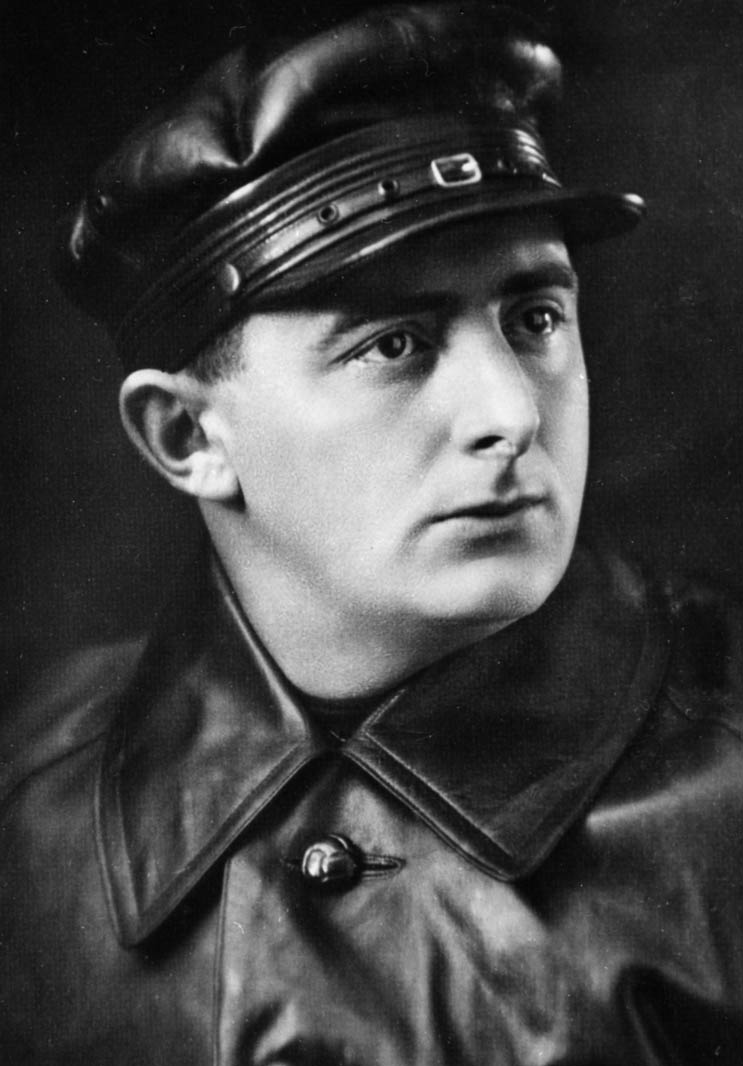
This is the main unit for the audio-visual transmission of information which is generated from the conversion of the literary script into a technical screenplay. It is obtained in the filming using one or more takes (shooting plan) and takes on its final form in the editing (editing plan). The information transmitted by the shot comes to a large degree from the framing adopted at the time. Thus, the shot is normally described in the technical screenplay to specify its type, ranging from the close up, where what tends to dominate is emotion, to the long shot, in which what dominates is spatial information, inheriting these names from the language of painting.
The main categories are the close up shot, medium shot, American shot, group shot and long shot
There are many types in terms of the framing, but the main categories are the close up shot, medium shot, American shot, group shot and long shot. Clockwork Orange, 1971 by Stanley Kubrick begins with a close up of the protagonist, Alex, staring fixedly at the camera which is slowly opening up to a long shot of the crowded milk bar. The types in terms of time range from the subliminal, very short shot, such as the minimum duration of a publicity still, to the sequence shot with a duration that can extend to an entire audio-visual story.
The history of films begins with the long shots in the films of William Dickson, a whole body long shot of three blacksmiths in Blacksmith scene (1893), and this was also used in the documentary reports of the Lumière brothers, such as Workers Leaving The Lumière Factory (La sortie des ouvriers des Usines Lumière à Lyon Monplaisir, 1895). By the early twentieth century, cinema was already using all the ranges of shots. With Abel Gance –The Wheel (La roue, 1922)- and Soviet film-makers such as Dziga Vertov – Man With A Movie Camera (Chelovek s kinoapparatom, 1929)- the duration of the shot reaches its shortest level.
Man with a Movie Camera
Man with a Movie Camera / L'homme à la caméra | Dziga Vértov, 1929, URSS
In the wake of "urban symphonies" such as Berlin, Symphony of a Metropolis (Die Sinfonie der Großstadt, 1927) by Walter Ruttmann, in this film Dziga Vertov shows us, with hints of metalinguistic documentary, the daily life of the bustling city of St. Petersburg. Through his camera, which acts as his eye, Vertov captures the essence of the scene, showing the social relationships between the citizens using a strictly Marxist analysis. As its single plot, the director tries to capture the routine of a Soviet cameraman who has to film the city from dawn to dusk. With the help of his brother, the cameraman Mikhaïl Kaufman, Vertov, true to his theories, does not for a moment allow people to assume that any of those pieces are invented. So in the rapid montage that shows the fascination of Vertov for Constructivism and Futurism, he constantly introduces images of the cameraman who is using his camera to film the reality around him and even of the editor who in the editing room is responsible for making sense of all that material.